How Smart Baby Monitors Help Parents Sleep Better at Night.
Early parenthood can turn sleep into a household project. Feeding windows, naps, and night wakings can make even confident adults second-guess their routines. Many parents also lose an average of 44 days of sleep during the first year, which adds up fast.

That kind of sleep loss is more than just feeling tired. Infant sleep problems are linked with harder family outcomes, including higher postpartum depression and postpartum anxiety. And too little adult sleep has been tied to long-term health strain, including faster biological aging and higher disease risk.
Bedtime can be the most stressful part. Parents worry the schedule is “wrong,” that the baby won’t settle, or that something could go wrong after the room gets quiet. In that moment, a smart baby monitor can feel like new parent sleep help, because it gives a clear check-in without hovering.
This article looks at how a baby monitor for parents sleep can support better sleep for parents, when it’s used with care. The goal is to sleep better with baby monitor tools that cut needless trips to the crib and build peace of mind at night, not to chase perfect data.
One boundary matters from the start: many smart monitors are not medical devices. They can miss events or send false alarms, and brands often warn about false positives and false negatives. A smart baby monitor should support safe routines and adult supervision, not replace medical advice.
Why nighttime parenting feels so hard (and why sleep tech has exploded)
Nighttime can be tough. The house is quiet, but your mind is racing. Many families seek sleep help because bedtime worries are high.
The goal is simple: calm parenting that helps everyone sleep better. This need has driven the growth of calm parenting technology. It offers late-night reassurance and quick decision-making.

Common bedtime anxiety triggers for new parents
Bedtime brings a list of fears: wake windows, feeding times, and whether a baby is on track. Once it's dark, parents often worry about the worst. They struggle to calm their anxiety.
SIDS is a big fear in the U.S. It causes about 1,300 child deaths each year. This fear makes parents extra cautious about every sound and pause.
For families coming home from the NICU, it's even tougher. After weeks of hospital care, home feels less predictable. Monitoring becomes a way to find calm parenting routines.
Common bedtime anxiety triggers for new parents
Sleep tools can create an information loop. Daniel J. Levitin of McGill University says humans seek and process information. This can trigger dopamine, like notifications.
This loop can become overwhelming. Levitin notes that in just five years, we've created more information than all of history. This can clog our brains.
In baby gear, this shows up as constant checking. For some, charts and metrics help with calm parenting. But for others, they can lead to obsessive behavior and less peace at night.
How smart baby monitors improve sleep quality for adults
Adult sleep often breaks apart in the early months because your brain stays on watch. A smart setup can shift some of that burden to the device, so you can rest without feeling disconnected. For many households, a baby monitor for parents sleep is less about “more video” and more about fewer jolts of worry.

Peace of mind at night: reduced worry when baby is sleeping in another room
When you can monitor baby from another room, the quiet can feel safer instead of suspicious. This peace of mind at night matters most for parents who have lived through tough starts. For example, prematurity, a NICU stay, breathing issues, RSV, or reflux.
In a March 2023 analysis of 11,262 unique Amazon reviews across 48 eligible products, reduced anxiety or “peace of mind” was the most common mental health impact when devices worked properly (23%, n=261).
Fewer unnecessary check-ins that disrupt parent sleep
Many parents describe tiptoeing in, holding their breath, and waking themselves up fully. Home baby monitoring can cut down those extra checks, thanks to steady pictures or audio. In the same March 2023 review analysis, improved adult sleep showed up in 10.5% of coded reviews (n=119).
Often, comments linked calm to rest, such as getting more sleep because worry eased.
Real-world outcomes reported by families: improved parental sleep and decreased anxiety when devices work well
Families often say they sleep better with baby monitor tools when the tech is reliable and the alerts are clear. At the same time, real reviews show a practical limit: performance problems were common in that March 2023 analysis (32.2%, n=363), and 6.9% (n=78) reported stopping use or planning to stop due to issues. Some also noted child sleep disruption from normal operation, like flashing bright lights, which can undo the calm a device is meant to support.
- Prioritize stable connections and clear audio before extra app features.
- Choose alert settings that match your household noise level and your baby’s sleep patterns.
- Look for designs that avoid bright indicators to support peace of mind at night without adding new wake-ups.
Smart baby monitor for parents sleep, No glow night vision baby monitor
A smart baby monitor helps you check on your baby without waking them up. It's all about fewer surprises and better sleep for you. This way, you can enjoy quiet nights without interruptions.
No-glow night vision for dark rooms without disturbance
A No glow night vision baby monitor lets you see your baby in the dark without waking them. This is key on nights when even a little light can wake them up.
Some families get upset with devices that flash or brighten at the wrong time. A low-visibility night view keeps the room calm. You can quickly check on your baby without disturbing them.
Clear visuals that support safe baby monitoring and help parents decide when to intervene
Clear video helps with safe baby monitoring by letting you see what's happening. In studies, camera monitors got more positive feedback than other types. This is because parents can see what's going on.
Seeing your baby can help you make better decisions. If they're fussing but almost asleep, you might wait a bit. This way, you avoid waking them up too soon.
Even with extra features, these tools aren't medical devices. They help you make safer choices by giving you a visual check-in. This way, you can keep your decisions clear and safe.
Monitoring from another room: how home baby monitoring supports better sleep for parents
Monitoring your baby from another room lets you stay in bed or do other things. Many parents use this while their baby sleeps in a crib or bassinet. It also works during travel or when another caregiver is around.
This distance can reduce worry at night. You can quickly check what you're hearing. With fewer second-guesses, you can enjoy better sleep on regular nights.
Features that support calm parenting technology (and what to prioritize)
The best monitor features do one simple thing: help you respond with less effort and fewer false alarms. A smart baby monitor can be useful, but only if it supports steady habits instead of pulling you into constant checking.
Two-way talk baby monitor features for soothing without entering the room
A two-way talk baby monitor lets you comfort your baby with your voice while you stay in bed. Many parents also use built-in lullabies or white noise to settle brief fussing before it grows into a full wake-up.
This matters for adult sleep. When you can soothe without opening the door, you’re less likely to fully wake up, turn on lights, or trigger a longer wake window for the baby.
Baby monitor with screen vs. phone-based viewing: what’s best for bedtime routines
A baby monitor with screen can reduce the urge to scroll, tap, and refresh. Phones are powerful, but they can feed an “information loop,” where each check sparks the next one.
Screen exposure at bedtime can also work against sleep. In one study, babies exposed to electronics like a smartphone or tablet at bedtime slept about 25 minutes less than babies not exposed.
Long range baby monitor considerations for larger homes and more reliable coverage
If your nursery is far from your bedroom, range and stability become daily stress points. A long range baby monitor should hold a steady signal across rooms, floors, and common interference sources like Wi‑Fi congestion.
When a monitor drops and reconnects, it can create noise, missed audio, or repeated alerts that wake you up. Reliability is not a bonus feature; it’s the foundation for calmer nights.
Smart insights and sleep pattern tracking: where it can help and where it can add noise
Sleep tracking can help when it points to simple patterns over time, like consistent naps and a steady bedtime.
But charts can also become a stress trigger, even for anxious sleepers. If the data makes you second-guess every sound, it may be adding noise instead of clarity.
Routine does a lot of the heavy lifting. Babies with the same bedtime routine 6–7 nights per week slept about 22 minutes longer than babies with routines 3 nights or fewer, and bedtimes that vary by more than an hour tend to link with less sleep than bedtimes kept within about 30 minutes.
To keep calm parenting technology truly calming, prioritize features that support consistency, not obsession. A smart baby monitor should fit your routine, not run it, and the right setup may include both a two-way talk baby monitor and a baby monitor with screen alongside a dependable long range baby monitor signal.
What the research and reviews suggest: benefits, trade-offs, and safety boundaries
Smart sleep tech is all around us, but we don't know much about its effects. Researchers say we don't fully understand how it affects parents' mental health and medical choices. Many families use a smart baby monitor to feel more secure.
Parents often buy these monitors to ease their worries and get a good night's sleep. But, real-life use can differ from what studies show, making it tough during the most tiring times.
When devices worked well, families reported better sleep. But, when they didn't, it caused stress, disrupted routines, and more waking at night. This goes against the goal of safe baby monitoring.
Some parents took action based on alarms or readings, like waking their babies or calling emergency services. This shows how medical decisions can be influenced by these devices.
- Benefit: fewer checks can help parents feel more at ease at night if alerts are accurate.
- Trade-off: false alarms and dropouts can increase worry and keep parents awake, making it harder to relax.
- Safety boundary: a smart baby monitor can help with home monitoring, but it should not be the only reason for medical actions.
There are also concerns about privacy, uneven quality, and high costs. These issues affect who can access safe baby monitoring and how confidently families use it.
Marketing also plays a role. Dr. Rachel Moon of the University of Virginia has warned that consumer messages can create fear without being regulated like FDA-cleared devices.
Dr. Moon has also noted that studies sending high-risk children home with hospital-grade monitors did not prevent SIDS. This is why nonmedical consumer monitors should not be seen as preventing SIDS. A false sense of security might lead families to relax safe-sleep habits.
Why Ebemate is designed to reduce parenting anxiety, not create it
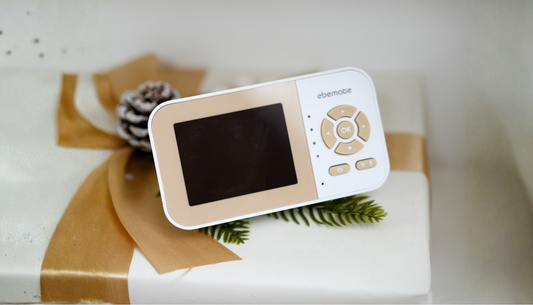
Ebemate believes that monitoring should make parenting easier, not harder. It offers calm technology that helps parents at 2 a.m. with clear views and alerts. This way, you can sleep better without worrying about every little sound.
Devices that lose signal or show blurry images can really stress you out. Ebemate focuses on calm, reliable monitoring. It lets you check on your baby once and then sleep again. This means fewer trips to the hallway and less worrying.
Light can also disrupt sleep, which is why Ebemate is designed to be light-free. It lets you see your baby without waking them up. This helps keep bedtime routines simple and sleep uninterrupted.
Ebemate doesn't turn bedtime into a data chase. It's about supporting your decisions, not making you check constantly. It's not a replacement for safe sleep practices or medical advice. But it can help you feel more confident from another room.
FAQ
How much sleep do parents really lose in the first year?
Research shows parents lose about 44 days of sleep in the first year. This loss adds up quickly. It makes managing sleep in the household very challenging.
Why does nighttime feel so anxiety-prone for new parents?
New parents worry a lot at bedtime. They fear the baby isn't on schedule. They worry the schedule is wrong. They also fear something bad could happen after the baby falls asleep.