Is a Baby Monitor Worth It If My Baby Sleeps in the Same Room?
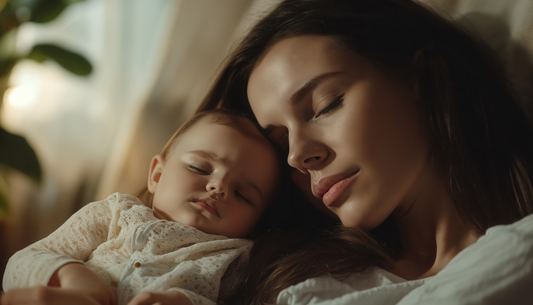
Room sharing can make nights simpler. When your baby is just a few feet away, you might wonder: is a baby monitor worth it? Or is it just extra stuff? For many U.S. parents, the answer depends on what you want to see, and how you move at night.

A monitor sends sound and sometimes video from your baby’s sleep space to you. This way, you can keep an eye while doing other things. In a baby monitor same room setup, it might seem like overkill. But it can also help when you can’t see your baby, like when you’re in the shower.
If you're thinking, do i need a baby monitor if baby sleeps with me, think about your life. Your home, your baby’s needs, your budget, and how stressed you are all play a part. The best baby monitor benefits are practical. They help you move less, check on your baby faster, and keep a steady routine.
But, more data isn't always better. Some parents find a monitor helps with peace of mind parenting. Others notice it makes them check on their baby too much. The goal is to monitor safely, so you can sleep well, not scroll all night.
This question is part of bigger sleep advice. The American Academy of Pediatrics says room sharing for at least the first 6 months is best. This helps lower SIDS risk. Many families start using a monitor right after baby comes home. They use it more as routines change, often during sleep training around 4–6 months, and as baby gets ready to sleep in their own room.
Room sharing baby monitor: what parents really need to monitor at night
Room sharing means your baby sleeps in a crib or bassinet in your room. The American Academy of Pediatrics recommends this for the first six months. They also advise against bed sharing. A baby monitor can be helpful as a backup when you're distracted.

How room sharing supports safer sleep in the early months
Room sharing keeps you close to respond quickly. Your baby sleeps on a firm, flat surface. This setup helps you monitor your baby safely, as you can hear changes in breathing or discomfort.
But, there's a catch. Some studies suggest it might cut down on sleep for both babies and parents. Adults might get tired and doze off while feeding, which is risky.
What you can realistically notice without a monitor when you’re in the same room
In many homes, you can hear most sounds without a monitor. You'll catch crying, fussing, and big movements. You might also notice if a pacifier falls or if the room gets too hot.
Even in the same room, you can't watch every second. A baby monitor can give you peace of mind by letting you keep the volume up without straining.
Common scenarios where you’re nearby but you “miss” cues (showers, laundry, deep sleep)
Room sharing doesn't mean you're always there. Quick tasks and fatigue can make you miss sounds. A baby monitor can help with clear audio and strong sound sensitivity.
- Shower noise that drowns out early fussing
- Laundry, cooking, or running a fan that covers small sounds
- Stepping into the hallway to take a call or grab supplies
- Headphones during a late-night reset
- Deep sleep after a long stretch of broken rest
A baby monitor can support safe baby monitoring without replacing a separate sleep surface. It's a tool that helps families stay responsive and protects peace of mind.
Baby monitor for newborn parents, Reduce new parent anxiety
The first week home is filled with feeding, burping, and short naps. A baby monitor is often used from day one, even if the crib is nearby. It lets you watch for any signs of trouble without standing over the bassinet.

Why many families start using a monitor as soon as baby comes home
Newborn sleep is unpredictable, and caregivers need to take care of themselves too. A monitor lets you shower, switch laundry, or eat while keeping an eye on your baby. It's a big help for many families, allowing them to respond quickly without constantly checking.
Monitors can ease new parent worries by making quick checks possible. At 2 a.m., a clear signal can reassure you, focusing on what's real, not fears.
When monitors help vs. when they can increase checking behaviors
Monitors are most helpful when they fit into your routine. Simple audio or a quick glance can offer peace of mind. The goal is to stay connected while also taking breaks.
But, monitors can also add stress if every alert makes you check again. Too many features and notifications can lead to constant scanning. Ball and Keegan (2022) warn that over-reliance on tech can harm bonding and caregiving.
What research suggests about improved sleep quality and decreased anxiety when monitors work well
Studies show that reliable tech can improve sleep and reduce anxiety. A study in BMJ Paediatrics Open (Dosso et al., 2025) found that good monitor use led to better sleep and less worry. It's all about clear audio, stable connections, and settings that feel right.
The aim is to find balance. A monitor should support rest, not disrupt it. For many, the best benefits come when it helps ease anxiety without making care too complicated.
Is a baby monitor worth it in a small home vs. a large home?
Home size affects what you can notice, even when you're close. Many parents start with a baby monitor same room setup. Then, they adjust as daily routines get busier. When deciding if a baby monitor is worth it, consider your walls, floors, and where you spend time during naps.
Living-space reality check: when you can hear everything without tech
In small apartments or single-level homes, you might hear every sound from other rooms. In these cases, deciding if a baby monitor is worth it might depend on comfort, not need. A simple video check can offer reassurance without disturbing the baby's sleep.
Even with a baby monitor same room routine at night, daytime noise can hide small sounds. Sounds like running water or a fan can cover up soft fussing. This is where baby monitor benefits often become clear in real life.
Long range baby monitor for home: coverage needs for multi-story layouts
In larger homes, sound fades quickly through doors, thick walls, and floors. A long range baby monitor for home is more practical when the nursery is upstairs and you're downstairs. You're not "far," but structure separates you.
Portability benefits when you move around the house during naps
Naps are when parents roam. You might move from a desk to the laundry room, then start dinner. In these moments, baby monitor benefits often come from a portable parent unit you can carry, not from hallway checks.
If you're doing a baby monitor same room plan overnight, portability is key during the day. And when deciding if a baby monitor is worth it, think about your real route through the house. A long range baby monitor for home supports this flow without making you hover near the bedroom.
Baby monitor benefits during key milestones while room sharing
Milestones can change how nights feel, even when your baby is close by. A room sharing baby monitor can be a quiet backup when you're tired or stepping out. It's a big help during in-between phases, when you want to be independent but stay aware.
Sleep training windows and why monitoring can help
Sleep training often starts around 4–6 months, when longer stretches of sleep may become possible. A room sharing baby monitor can help you notice the difference between brief fussing and a true wake-up. This is why many parents find a baby monitor worth it during this time.
Safe baby monitoring supports consistency. It helps keep the room calm and lowers the temptation to "peek" too often. You can respond when crying ramps up or sounds change, guiding bedtime routines and nap timing without guesswork.
Transition timing: AAP room-sharing guidance
The American Academy of Pediatrics recommends room sharing for at least the first 6 months. They suggest using a separate sleep surface and avoiding bed-sharing. This is to reduce risk during a period when many SIDS cases occur.
Families often treat safe baby monitoring as a layer, not a substitute. It works best alongside a firm mattress, a clear sleep space, and careful attention during overnight feeds.
Why some families transition earlier and what sleep research has observed
Not every household follows the same timeline. Research has shown that some infants who slept in their own rooms before 6 months logged longer sleep stretches. At the same time, room sharing can mean lighter sleep for parents, more wake-ups, and more chances of dozing off during feeding.
Timing can matter for temperament, too. Many babies become more aware of their surroundings around 8 months, and separation anxiety can spike. Some parents transition before that point and use baby monitor benefits as a bridge—feeling present while giving everyone more space to sleep.
- If you’re weighing is a baby monitor worth it during a move to the nursery, aim for safe baby monitoring with clear audio, reliable range, and settings that don’t keep you staring at a screen.
- If you’re already room sharing, use a room sharing baby monitor to reduce unnecessary checks while staying ready for real needs.
- For any transition plan, many families loop in a pediatrician to match sleep goals with safety and household reality.
Choosing safe baby monitoring tech: audio, video, and smart monitor options
Choosing the right baby monitor depends on how you want to check on your baby. Some prefer the simplest option. Others want a quick glance or more data.
For safe baby monitoring, look for clear sound, reliable range, and privacy controls. A good baby monitor for newborn parents should help you rest, not disturb your routine.
Audio monitors: simple sound alerts for parents who want minimal stimulation
Audio-only units send sound to a parent receiver. You hear crying and cooing without a video feed. This can be calmer when trying to fall back asleep.
Choose models with Digital Signal Processing (DSP) for clearer voices and less background noise. Many also let you adjust sound sensitivity, so you're not woken by every little noise.
Baby monitor with screen: quick visual checks without opening an app
A baby monitor with screen offers live video and audio on a handheld display. It's great for quick checks on your baby's position and movement without getting up or using your phone.
Infrared night vision is important for seeing in low light without turning on lamps. Some models also have two-way talk and built-in lullabies for soothing your baby quickly.
Smart baby monitor for parents: added sensors (room temperature/humidity, motion alerts)
A smart baby monitor for parents combines video, audio, and app alerts. It often includes room temperature and humidity readings to spot changes that may affect your baby's comfort.
Motion detection is useful when babies start rolling and scooting. It can alert you to movement in a specific area. Remember, Wi‑Fi access can enable remote viewing but also raises hacking concerns. Non‑Wi‑Fi options are safer for families who value security.
Movement and wearable monitors: what they track and who might benefit most
Movement monitors use a sensor pad under the mattress and sound an alarm if no movement is detected for a set period. Wearable monitors track heart rate and oxygen levels in real time.
For newborn parents, these monitors can be reassuring during illness or health concerns. It's important to consider the extra data and how it might affect your sleep. Choose alerts that are easy to understand.
Features that matter most for peace of mind parenting (not panic scrolling)
The right monitor features can help your baby sleep better, not keep you awake. Look for alerts that only notify you when something changes. This way, you can rest easy and respond quickly when needed.
No glow night vision baby monitor: seeing clearly without lighting up the room
A no glow night vision baby monitor lets you check on your baby without lighting up the room. It uses infrared night vision to see in the dark. This means less disruption for both you and your baby, and less temptation to keep checking the screen.
Battery life and sound sensitivity: staying connected through the night
Battery life is key for uninterrupted coverage until morning. Sound sensitivity is also vital. It should pick up on soft sounds before they turn into loud crying. With the right sensitivity, you can sleep more and respond faster. This way, a no glow and two-way talk baby monitor can help you relax, not worry, at night.
How Ebemate fits into room sharing without adding stress
Room sharing can make you feel safer, but it doesn't stop all worries. Ebemate is designed to help you relax by making checks easy and calm. It lets you know your baby is okay without needing to get up or worry about every sound.
The baby monitor with a screen is less intrusive. You can check on your baby from bed and then go back to sleep. This way, you avoid the hassle of unlocking your phone and chasing alerts. The no glow night vision feature lets you see your baby's breathing and position in the dark without lighting up the room.
Ebamate is also great when you need to focus on something else for a bit. If you're taking a shower, folding laundry, or starting dinner, Ebamate keeps an eye on your baby. This way, you don't have to keep checking on them constantly, which can reduce stress.
As your baby's routines change, Ebamate can help with naps in another room and later transitions. It supports safe sleep practices while you're not there. This way, Ebamate helps you feel at ease without making bedtime a stressful time.
FAQ
Do I need a baby monitor if baby sleeps with me in the same room?
Not always. If you’re room sharing, you can usually hear your baby. A monitor adds backup for moments you’re not watching, like when you’re in the shower.
What does a baby monitor actually do in practical terms?
A baby monitor sends sound and/or video from your baby’s room to you. It lets you watch over your baby while you do other things, without always being right there.
What is “room sharing” and how does it relate to safer sleep guidance?
Room sharing means your baby sleeps in a crib or bassinet next to you. The American Academy of Pediatrics (AAP) says it’s safer for the first 6 months. This helps lower the risk of SIDS.
If I’m in the same room, what can I usually notice without a monitor?
Most parents can hear their baby cry or move without a monitor. If you’re already waking up to every sound, you might not need one at night.
When does a baby monitor help even with a baby monitor same room setup?
Monitors help when you’re busy, like showering or cooking. They give you alerts so you can check on your baby without constantly checking the room.
Why do many families start using a baby monitor for newborn parents on day one?
Newborns sleep a lot, and parents want to be sure they’re okay. Video monitors let you check on your baby without getting up.
Can baby monitors reduce new parent anxiety—or make it worse?
Monitors can help by letting you watch without hovering. But too many alerts can make you check on your baby too much. The goal is to feel secure without being too worried.
Is there research showing monitors improve sleep or anxiety?
Yes. A study in BMJ Paediatrics Open found that good monitors can help parents sleep better and feel less anxious. But only if they work well.
What’s the concern about relying too much on “smart” baby monitoring?
Some worry that smart devices can make parents too reliant on technology. This can lead to less bonding and more stress. The best setup is one that supports both rest and connection.
Is a baby monitor worth it in a small home?
Often not, because you can usually hear your baby in a small home. But a monitor with a screen can give quick reassurance without waking your baby.
Why does portability matter for room-sharing families?
Portability is key because naps don’t stop your day. A portable receiver lets you do things while staying connected to your baby.
When do parents tend to rely on monitors the most?
Parents often rely on monitors more when their baby sleeps in their own room, usually around 6 months. They also use them during sleep training, which starts around 4–6 months.
How does AAP room-sharing guidance affect the timeline for moving baby to a separate room?
The AAP suggests room sharing for at least 6 months. Some families move earlier based on their baby’s sleep needs and their home. Monitors can help with this transition.
Does room sharing ever affect sleep quality for parents or infants?
Yes, room sharing can affect sleep for both parents and babies. It may reduce SIDS risk but also decrease sleep quality. It can also lead to unsafe sleep practices.
What does research suggest about infants sleeping in their own rooms before 6 months?
Research suggests that babies who sleep in their own rooms early may sleep longer. It’s best to follow your family’s needs and your pediatrician’s advice when deciding.
Why might transitioning before about 8 months feel easier for some families?
Babies may become more aware of their surroundings around 8 months. This can lead to separation anxiety. Some families prefer to transition before this, using a monitor for reassurance.
What types of baby monitors are most common, and what’s the difference?
A: Audio monitors send sound only. Video monitors send live video and sound. Smart monitors add app access and extra features. Movement monitors use a sensor pad to alert if there’s no movement. Wearable monitors track heart rate and oxygen levels, which can reassure families with health concerns.
Why do some parents prefer an audio-only monitor during room sharing?
Audio monitors are simple and don’t stimulate your baby too much. They’re enough if you just want to hear your baby while you do other things.
Why choose a baby monitor with screen instead of a phone app?
A screen-based monitor lets you check on your baby quickly without unlocking your phone. This can help you rest better.
What extra features do smart baby monitor for parents models often include?
Smart monitors often have Wi‑Fi viewing, app alerts, and sensors like room temperature and humidity. Some also have motion detection zones, which are useful as babies get more active.
What is a no glow night vision baby monitor, and why does it matter?
No glow night vision lets you see without lighting up the room. This helps keep the sleep environment dark, so you can check on your baby without disturbing them.
What is DSP, and does it actually help?
DSP (Digital Signal Processing) improves audio clarity and reduces background noise. It makes alerts clearer, which is useful when there’s background noise.
What’s the privacy tradeoff with Wi‑Fi monitors?
Wi‑Fi monitors let you view remotely but increase hacking risks. If you don’t need remote access, non‑Wi‑Fi monitors might be safer.
What should sound sensitivity do, specially at night?
Sound sensitivity should pick up faint sounds and early fussing. This helps you respond quickly, supporting better sleep for both you and your baby.
How can I use a monitor to reduce anxiety without creating constant checking?
Use alerts for what you really need, like sound first and video as reassurance. Keep the volume realistic and avoid over-checking. The goal is to feel secure without being too worried.
How does Ebemate fit into room sharing without adding stress?
Ebemate is designed to support room-sharing families without constant app-checking. It has clear visuals, no-glow night vision, and reliable in-home monitoring. It aims to reduce anxiety and support safe sleep practices.